Category: Blog

Your blog category

  • My Journey with R Programming in the Age of AI

    My Journey with R Programming in the Age of AI

    My Journey with R Programming in the Age of AI

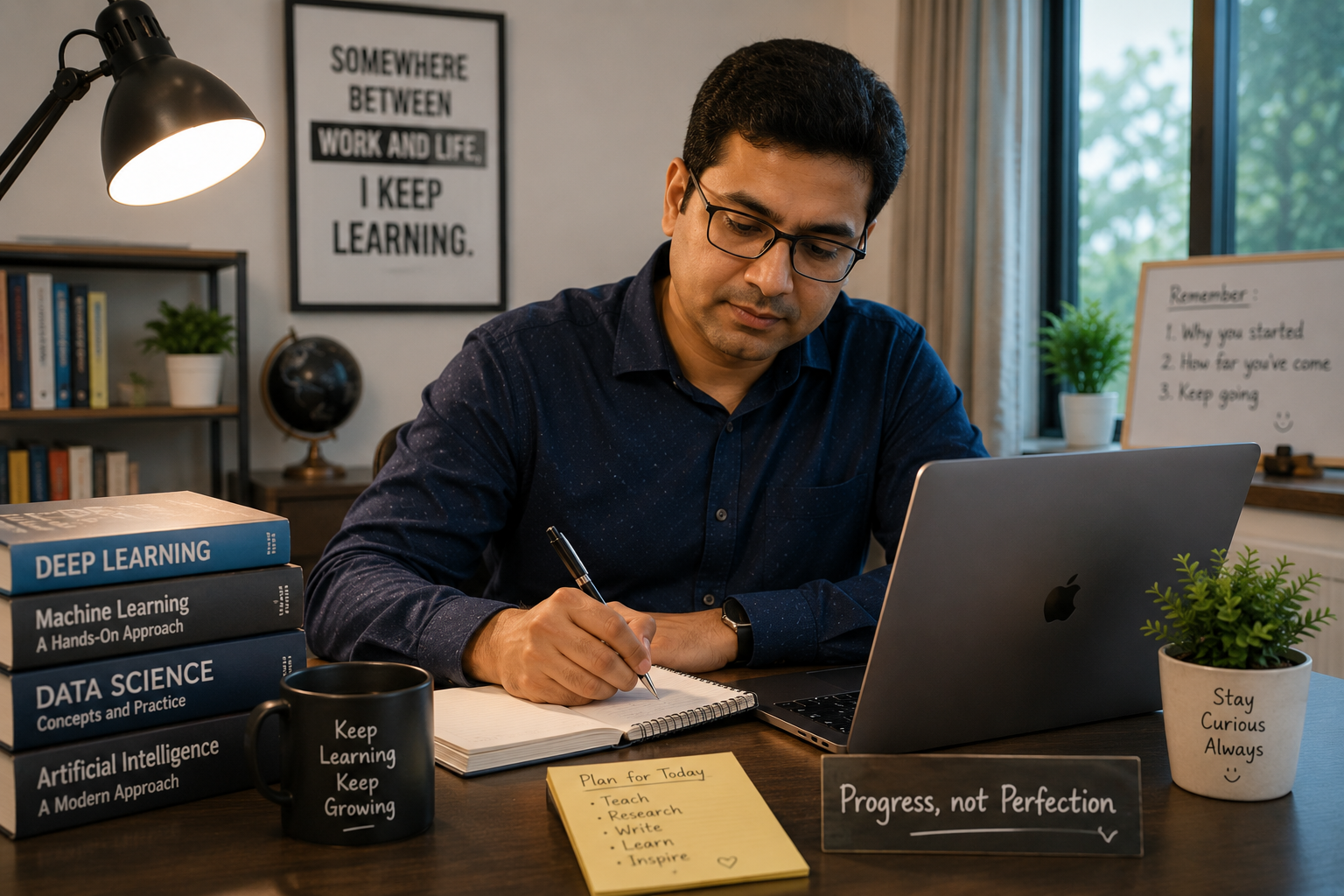
    As an educator, researcher, and someone passionate about data analytics, I have always believed that learning never stops. Over the years, I have worked with different programming languages and analytical tools, but R has consistently been one of my favourites for statistical computing, data visualization, and research.

    Recently, I started exploring how Artificial Intelligence (AI) can complement the R programming workflow. Like many others, I was curious to know whether AI would change the way we write code, analyze data, and conduct research. After spending time experimenting with AI-powered tools alongside R, I can confidently say that it has transformed the way I work—not by replacing my skills,but by enhancing them.

    One of the first things I noticed was how much time AI saves during development. Whether I need help writing a function, debugging an error, cleaning a dataset, or generating a visualization using ggplot2, AI acts like a knowledgeable assistant that is available whenever I need it. Instead of spending hours searching documentation or forums, I can focus more on understanding the problem and interpreting the results.

    As a researcher, I find this particularly valuable. Research is not just about writing code; it is about asking the right questions, selecting the correct statistical methods, validating findings, and presenting meaningful conclusions. AI helps reduce the time spent on repetitive tasks, allowing me to devote more attention to critical thinking and decision-making.

    Teaching has also become more engaging. When students encounter errors or struggle with R syntax, AI enables them to understand concepts more quickly. However, I always remind my students that AI should be viewed as a learning companion rather than a shortcut. The real value lies in understanding why the code works, not simply copying and pasting it.

    One important realization from my experience is that R itself has not changed—our way of working with R has evolved. The language remains as powerful as ever for statistical analysis, predictive modelling, machine learning, and data visualization. What has changed is that AI now helps us become more productive, efficient, and confident in using these capabilities.

    As technology continues to evolve, I believe that professionals who combine strong analytical skills with AI-assisted tools will be better prepared for the future. Programming is no longer just about writing code—it is about solving problems, extracting insights from data, and making informed decisions.

    My journey with R and AI is still ongoing, and every day brings something new to learn. That is what excites me the most. Technology will continue to evolve, but curiosity, continuous learning, and the willingness to adapt will always remain our greatest strengths.

    I look forward to exploring more possibilities where R and AI work together to make research, teaching, and data analytics more impactful. If you are learning R or working in data science, I encourage you to embrace AI—not as a replacement for your expertise, but as a partner that helps you learn faster, think deeper, and innovate with confidence.

    What has your experience been with R and AI? I would love to hear your thoughts and learn from your journey as well.

  • Data Cleaning: The Most Important Step Nobody Talks About

    Data Cleaning: The Most Important Step Nobody Talks About

    Data Cleaning: The Most Important Step Nobody Talks About

    “Everyone wants to build intelligent AI models. Very few people realize that intelligence begins with clean data.”

    When we hear terms like Artificial Intelligence, Machine Learning, or Data Science, our minds immediately jump to powerful algorithms, predictive models, and futuristic technologies. We often celebrate the final outcome—a model that predicts customer behavior, identifies diseases, or recommends the perfect movie.

    But there’s an important part of the journey that rarely makes headlines.

    It’s called data cleaning.

    It isn’t glamorous. It doesn’t involve complex mathematics or advanced AI models. Yet, it is one of the most valuable skills every data professional should master. In fact, the success of any analytics or AI project often depends more on the quality of the data than on the sophistication of the algorithm.

    Simply put, clean data creates trustworthy insights.

    Why Data Cleaning Deserves More Attention

    Imagine you’re baking a cake.

    You buy the finest ingredients, use the latest kitchen equipment, and carefully follow every step of the recipe. But what if the flour is stale or the sugar has been mixed with salt?

    No matter how skilled you are, the final result won’t meet expectations.

    Working with data is no different.

    No machine learning model—not even the most advanced one—can consistently produce reliable results if the underlying data is incomplete, inaccurate, or inconsistent.

    That’s why experienced data scientists often repeat a simple but powerful phrase:

    “Garbage in, garbage out.”

    If poor-quality data goes into your system, poor-quality decisions will come out.

    What Exactly Is Data Cleaning?

    Data cleaning is the process of preparing raw data so it becomes accurate, consistent, complete, and ready for analysis.

    Think of it as giving your data a health check.

    During this process, you identify and fix problems such as:

    • Missing information
    • Duplicate records
    • Typographical mistakes
    • Inconsistent formats
    • Incorrect values
    • Irrelevant data
    • Unusual or suspicious entries

    The objective isn’t just to make data look neat. It’s to ensure that every decision made from that data is based on facts you can trust.

    A Lesson Every Beginner Learns

    When students begin learning Data Science, they’re usually excited to build machine learning models.

    The first question is often:

    “Which algorithm should I use?”

    Interestingly, experienced professionals ask a different question:

    “How clean is your data?”

    That single question often determines whether a project succeeds or struggles.

    A beautifully designed model trained on poor-quality data will almost always perform worse than a simple model trained on clean, reliable information.

    A Real-Life Example

    Imagine a college wants to predict which students may need additional academic support.

    The dataset contains attendance records, internal assessment marks, and assignment scores.

    At first glance, everything seems fine.

    But a closer look reveals several issues:

    • Some students appear more than once.
    • Attendance values are missing for several records.
    • Names are entered differently, such as “Rahul”, “RAHUL”, and “Rahul Kumar”.
    • Marks have been entered using different grading formats.

    If these problems aren’t addressed before building the prediction model, the results may be misleading. Students who genuinely need support could be overlooked, while others may be incorrectly identified.

    This is why data cleaning isn’t just a technical task—it has real-world consequences.

    Common Data Problems You Will Encounter

    No dataset is perfect. Whether you’re working in education, healthcare, finance, or business, you’ll likely encounter familiar challenges.

    Missing Values

    Sometimes information simply isn’t available.

    A customer’s age may be blank, a student’s attendance may be missing, or a survey participant may skip a question.

    These gaps need thoughtful handling rather than being ignored.

    Duplicate Records

    The same person or transaction may appear multiple times.

    If duplicates remain, reports become inaccurate and machine learning models may learn the wrong patterns.

    Inconsistent Formatting

    People rarely enter data in exactly the same way.

    One person writes “Goa”, another writes “GOA”, while someone else types “goa”.

    Although they refer to the same place, a computer may treat them as completely different values.

    Incorrect Data Types

    Dates, numbers, and text are often stored in inconsistent formats.

    These seemingly small issues can lead to major processing errors later.

    Outliers

    Occasionally, you’ll find values that simply don’t make sense.

    For example, if a student studies 5 hours per day on average, an entry showing 150 study hours deserves investigation before it’s accepted as truth.

    Data Cleaning Is an Investment, Not a Delay

    Many people assume data cleaning slows down a project.

    The opposite is usually true.

    Spending extra time preparing your data saves countless hours later by reducing errors, improving model accuracy, and increasing confidence in the final results.

    It also builds trust among stakeholders who rely on your analysis to make important decisions.

    ools That Make Data Cleaning Easier

    Fortunately, you don’t need expensive software to improve data quality.

    Professionals commonly use:

    • Microsoft Excel for smaller datasets
    • Python (Pandas) for automation and large-scale analysis
    • SQL for database management
    • Power BI (Power Query) for business reporting
    • OpenRefine for messy textual data
    • R for statistical analysis

    The choice of tool matters less than the commitment to maintaining high-quality data.

    The Human Side of Data Science

    Data Science isn’t only about writing code.

    It’s about understanding people, solving problems, and making informed decisions.

    Every dataset represents real individuals, businesses, patients, students, or customers. When we clean data carefully, we’re respecting the stories behind those numbers.

    Good data practices ultimately lead to better services, smarter decisions, and more meaningful outcomes.

    Final Thoughts

    Artificial Intelligence may be transforming the future, but its success still depends on something remarkably simple—clean, trustworthy data.

    Before celebrating a highly accurate prediction or an impressive dashboard, ask yourself one important question:

    “Can I trust the data behind it?”

    Because in the world of Data Science, success doesn’t begin with algorithms.

    It begins with quality.

    And quality always begins with clean data.

  • The Most Valuable Skill in 2030 Won’t Be Coding—It Will Be Adaptability

    The Most Valuable Skill in 2030 Won’t Be Coding—It Will Be Adaptability

    The Most Valuable Skill in 2030 Won’t Be Coding—It Will Be Adaptability

    For years, students have asked me a familiar question:

    “Sir, which programming language should I learn to secure a good career?”

    A decade ago, my answer might have been Java.

    A few years later, it could have been Python.

    Today, many expect me to say Artificial Intelligence or Prompt Engineering.

    But my answer has changed.

    The most valuable skill in 2030 won’t be coding. It will be adaptability.

    Before anyone misunderstands me, let me be clear—I am not saying coding is becoming unimportant. As a Computer Science educator, I know programming will continue to be one of the foundations of technology.

    What I am saying is this:

    Programming languages will change. Frameworks will evolve. AI tools will become smarter. But the ability to learn, adapt, and grow will remain the most valuable skill of all.

    Technology Has Never Stood Still

    When I began my journey in technology, software development looked very different from what it does today.

    We moved from desktop applications to web applications.

    From static HTML pages to dynamic web frameworks.

    From procedural programming to object-oriented design.

    From traditional mobile development to Flutter and Jetpack Compose.

    From local servers to cloud computing.

    Today, we are working alongside Artificial Intelligence.

    Every few years, the technologies change.

    What remains constant is the need to keep learning.

    Looking back, I realise that the professionals who succeeded weren’t always the ones who knew the latest programming language.

    They were the ones who embraced change instead of fearing it.

    Knowledge Has an Expiry Date

    This is perhaps one of the biggest lessons every student should understand.

    Technical knowledge has a shelf life.

    The language you master today may become less relevant tomorrow.

    The framework that dominates the industry today may be replaced within a few years.

    Even AI tools that seem revolutionary today will evolve rapidly.

    If your identity is built around a single technology, your career becomes vulnerable.

    If your identity is built around learning, your opportunities become limitless.

    Coding Teaches Logic. Adaptability Builds Careers.

    Learning programming develops analytical thinking, logical reasoning, and problem-solving abilities.

    Those skills will always matter.

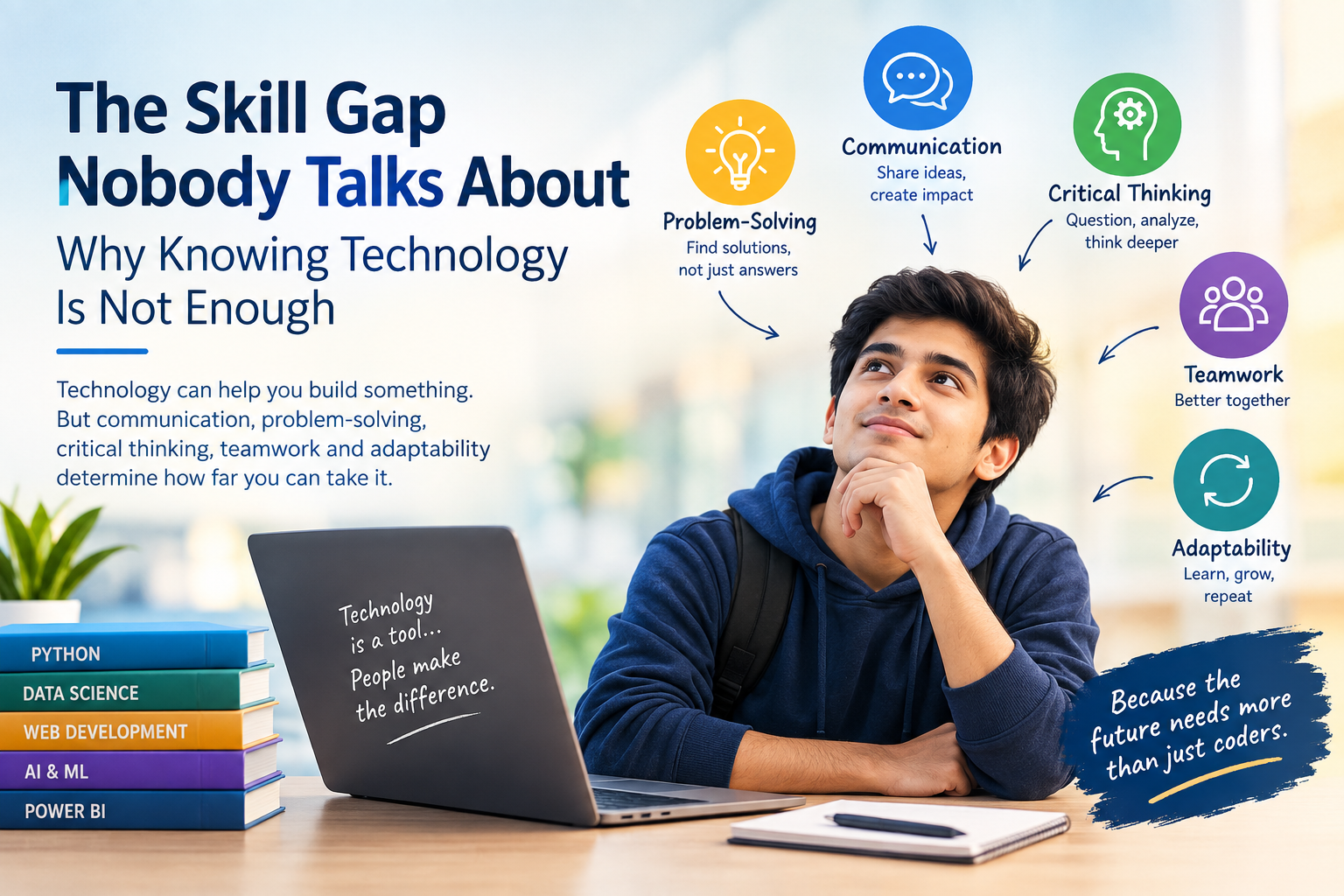
    However, the workplace of 2030 will demand something more.

    Employers will value professionals who can:

    • Learn new technologies quickly.
    • Work effectively with AI tools.
    • Solve unfamiliar problems.
    • Collaborate across different domains.
    • Think critically instead of relying blindly on technology.
    • Communicate ideas clearly.
    • Continue learning throughout their careers.

    In other words, they will value people who are adaptable.

    AI Is Changing the Nature of Work

    Artificial Intelligence can now generate code, write reports, analyse data, design presentations, and even explain complex concepts.

    Naturally, many students worry.

    “Will there still be opportunities for us?”

    I believe the answer is yes—but the opportunities will look different.

    AI is automating repetitive tasks.

    That means human value shifts toward creativity, judgment, decision-making, ethics, leadership, and continuous learning.

    Instead of competing with AI, professionals will increasingly work alongside it.

    The question will no longer be:

    “Can you write code?”

    It will become:

    “Can you solve problems, learn quickly, and use technology responsibly?”

    The Career of the Future Belongs to Continuous Learners

    One observation has remained consistent throughout my teaching career.

    The students who perform best in the long run are rarely those who memorise the most.

    They are the students who stay curious.

    They ask questions.

    They experiment.

    They make mistakes.

    They improve.

    They never stop learning.

    Those habits matter far more than mastering a single programming language.

    Education Must Also Adapt

    If industries are evolving, education cannot remain unchanged.

    As educators, our responsibility is no longer limited to completing a syllabus.

    We must prepare students for careers that may not even exist today.

    That means encouraging:

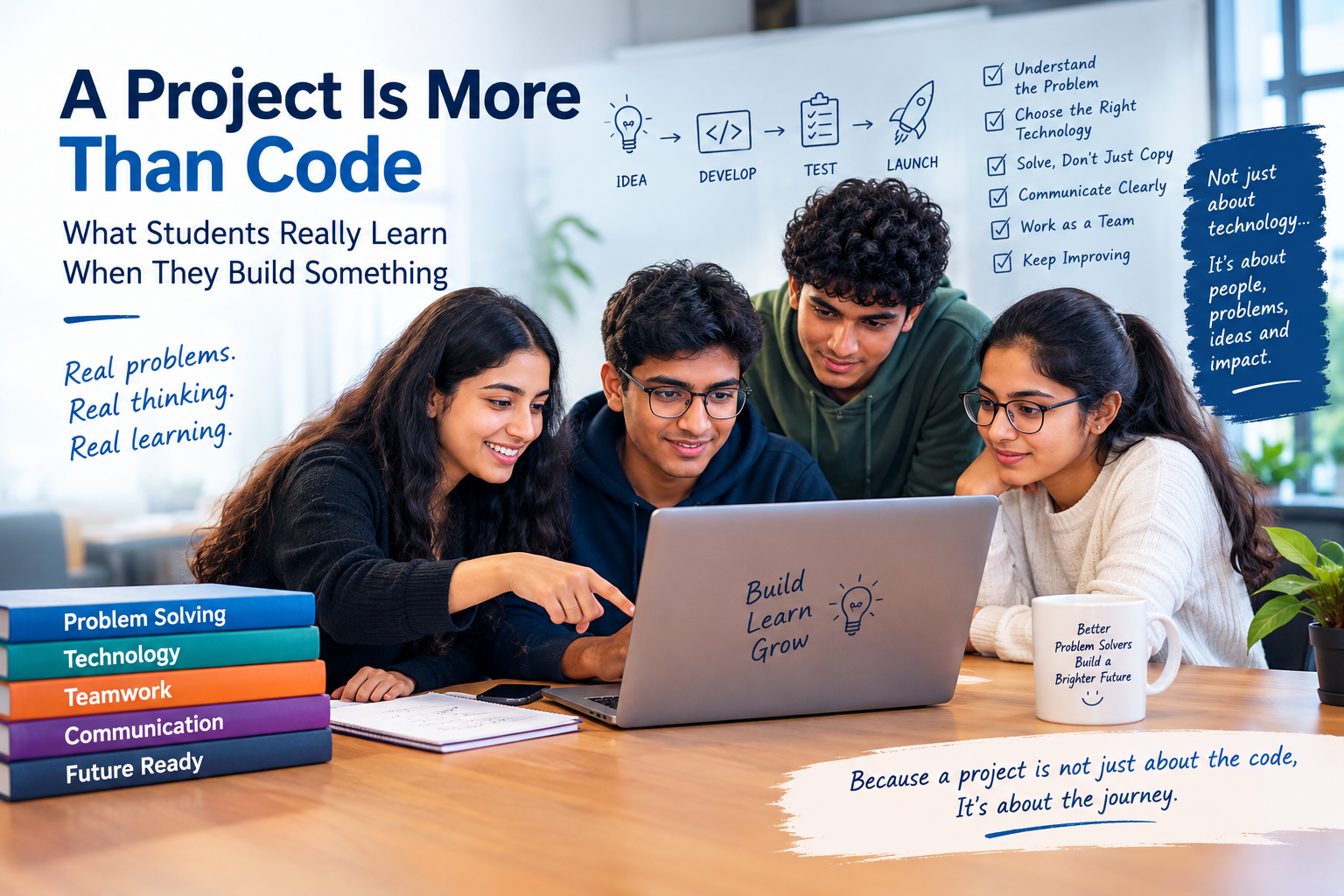
    • Project-based learning.
    • Practical problem-solving.
    • AI literacy.
    • Communication skills.
    • Teamwork.
    • Innovation.
    • Entrepreneurial thinking.
    • Lifelong learning.

    Education should not simply prepare students for their first job.

    It should prepare them for the next twenty years of change.

    My Message to Students

    Don’t chase every new technology simply because it is trending.

    Instead, build strong fundamentals.

    Learn programming.

    Understand databases.

    Develop logical thinking.

    Strengthen communication.

    Learn how AI works.

    Most importantly, develop the confidence to learn something completely new whenever the situation demands it.

    That confidence is adaptability.

    Final Thoughts

    The future doesn’t belong to the person who knows one programming language perfectly.

    It belongs to the person who can learn the next one with confidence.

    Technology will continue to evolve.

    Artificial Intelligence will continue to transform industries.

    New careers will emerge, while others will disappear.

    But one quality will continue to separate successful professionals from everyone else:

    The willingness to adapt.

    As I often tell my students, your degree may help you get your first opportunity, your technical skills may help you perform well, but your adaptability will determine how far you go in your career.

    In the end, careers are not built by resisting change.

    They are built by learning, evolving, and embracing it.

    Because in 2030, the greatest competitive advantage won’t simply be what you know—it will be how quickly you can learn what comes next.

  • Why Prompt Engineering is Becoming a Core Skill for Every Graduate

    Why Prompt Engineering is Becoming a Core Skill for Every Graduate

    Why Prompt Engineering is Becoming a Core Skill for Every Graduate

    Artificial Intelligence is changing the way we learn, work, create, and solve problems. Just a few years ago, being proficient in Microsoft Office, programming, or internet research was considered a valuable skill. Today, another skill is rapidly joining that list—Prompt Engineering.

    Despite the technical name, prompt engineering is not just for AI researchers or software developers. It is a practical skill that every graduate, regardless of their discipline, should develop.

    What is Prompt Engineering?

    A prompt is simply an instruction or question you give to an AI system. Prompt engineering is the ability to communicate with AI in a structured, clear, and purposeful way to obtain accurate, relevant, and useful results.

    Think of AI as an extremely knowledgeable assistant. If you ask vague questions, you will receive vague answers. If you provide clear context, objectives, and expectations, AI can produce remarkably valuable outputs.

    The difference is not only in the intelligence of the AI—it is in the quality of the instructions we provide.

    The Real Skill is Not Asking Questions—It’s Asking Better Questions

    Many people believe AI is becoming smarter every day. While that is true, another important reality often goes unnoticed.

    The people who benefit the most from AI are not necessarily those with the most advanced technology. They are the ones who know how to communicate with AI effectively.

    This requires:

    • Critical thinking
    • Logical reasoning
    • Clear communication
    • Domain knowledge
    • Creativity
    • Problem-solving ability

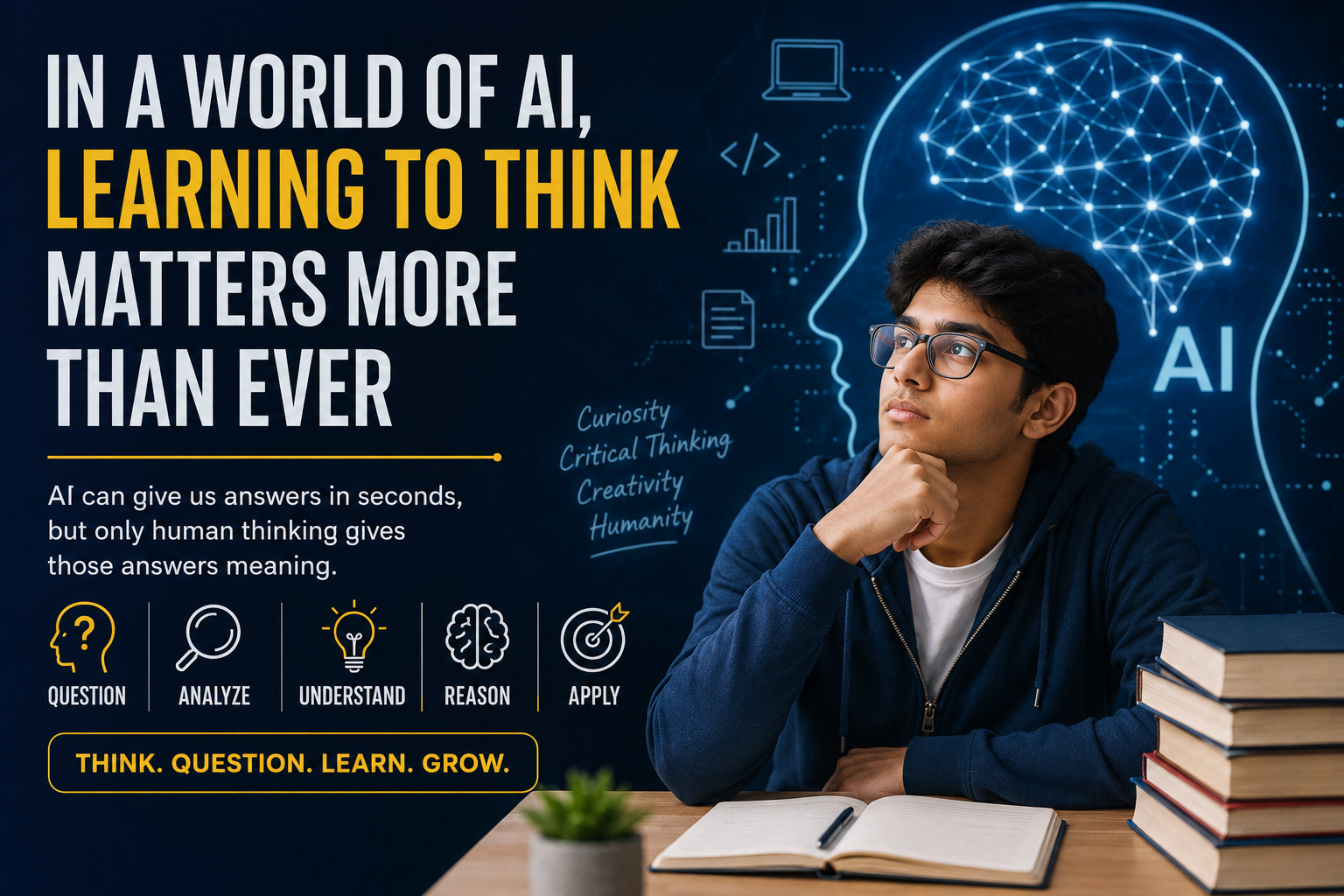
    Prompt engineering is therefore not a shortcut to success. It is an extension of human intelligence.

    Why Every Graduate Should Learn Prompt Engineering

    Whether you study Computer Science, Commerce, Management, Arts, Science, Law, or Medicine, AI is becoming part of your professional environment.

    A graduate who understands how to work with AI can:

    • Generate better ideas during brainstorming.
    • Analyze large amounts of information quickly.
    • Draft reports, presentations, and professional emails.
    • Learn new technologies faster.
    • Solve programming problems efficiently.
    • Conduct literature reviews.
    • Improve productivity without compromising quality.

    In today’s workplace, the ability to collaborate with AI is becoming as important as the ability to use computers two decades ago.

    Prompt Engineering is Not About Replacing Thinking

    One of the biggest misconceptions is that AI eliminates the need to think.

    In reality, AI rewards thoughtful users.

    If you lack subject knowledge, AI may produce convincing but incorrect answers. If you cannot evaluate its output, you risk making poor decisions.

    Prompt engineering therefore strengthens—not replaces—human intelligence.

    The best professionals will use AI to enhance their expertise, not substitute it.

    The Evolution of Digital Skills

    Technology education has always evolved.

    We moved from:

    • Learning basic computer operations
    • Using Microsoft Office
    • Browsing the internet effectively
    • Learning programming languages
    • Building websites and mobile applications
    • Understanding cloud computing
    • Working with data analytics

    Today, AI collaboration is the next step in this journey.

    Prompt engineering is becoming another essential digital literacy skill.

    Prompt Engineering Across Different Careers

    Software Developers

    Generate code, debug applications, explain algorithms, write documentation, and optimize software solutions.

    Teachers

    Prepare lesson plans, create assessments, generate examples, simplify complex concepts, and personalize learning experiences.

    Researchers

    Summarize research papers, identify trends, organize literature reviews, and generate research ideas.

    Business Professionals

    Create reports, analyze market trends, draft proposals, and improve decision-making.

    Content Creators

    Develop content ideas, improve writing, generate scripts, and enhance creativity.

    Every profession is finding new ways to integrate AI into daily work.

    The Future Belongs to AI Collaborators

    The future is not a competition between humans and AI.

    It is a collaboration.

    Those who understand how to ask better questions, validate responses, and apply human judgment will always have an advantage.

    AI cannot replace curiosity.
    It cannot replace ethics.
    It cannot replace creativity.

    It cannot replace empathy.
    It cannot replace wisdom.

    These remain uniquely human strengths.

    A Message for Students

    Do not use AI simply to complete assignments.

    Use it to understand concepts.
    Challenge your assumptions.
    Explore multiple perspectives.
    Practice solving real-world problems.

    The goal is not to become dependent on AI.

    The goal is to become more capable because of AI.

    Final Thoughts

    Prompt engineering is far more than learning a few tricks to interact with ChatGPT or other AI tools. It represents a new way of thinking—one that combines communication, reasoning, creativity, and technical understanding.

    Just as computer literacy became essential in the digital era, AI literacy and prompt engineering are becoming essential in the age of intelligent systems.

    The graduates who will succeed tomorrow are not those who fear AI or blindly depend on it. They are those who understand its strengths, recognize its limitations, and know how to use it responsibly to solve meaningful problems.

    In the AI era, asking better questions may become one of the most valuable professional skills anyone can possess.

  • Everyone is excited about AI. But very few people talk about the foundation that makes AI successful.

    Everyone is excited about AI. But very few people talk about the foundation that makes AI successful.

    AI

    Everyone is excited about AI. But very few people talk about the foundation that makes AI successful.

    In my opinion, AI is not just about powerful models or the latest AI agents. It’s about the quality of the data we feed them.

    If the data is incomplete, inconsistent, or poorly managed, even the most advanced AI system will produce unreliable results. This is why data governance, data quality, and clear ownership are no longer optional—they are essential.

    Before asking, “How can we implement AI?” organizations should first ask:

    • Is our data accurate and trustworthy?
    • Do we have standard definitions across teams?
    • Who owns and maintains our data?
    • Have we broken down data silos?

    As an educator, I also believe this is an important lesson for students. While learning AI and Machine Learning is valuable, understanding data quality, governance, and ethics is what will help build AI solutions that people can actually trust.

    The old principle still holds true in the AI era:

    “Garbage In, Garbage Out.”

    Let’s build strong data foundations first—because trusted data leads to trusted AI.

    What are your thoughts? Should organizations prioritize Data First or AI First?

    #ArtificialIntelligence #DataScience #MachineLearning #DataGovernance #DataQuality #ResponsibleAI #DigitalTransformation #AI #Innovation #Leadership

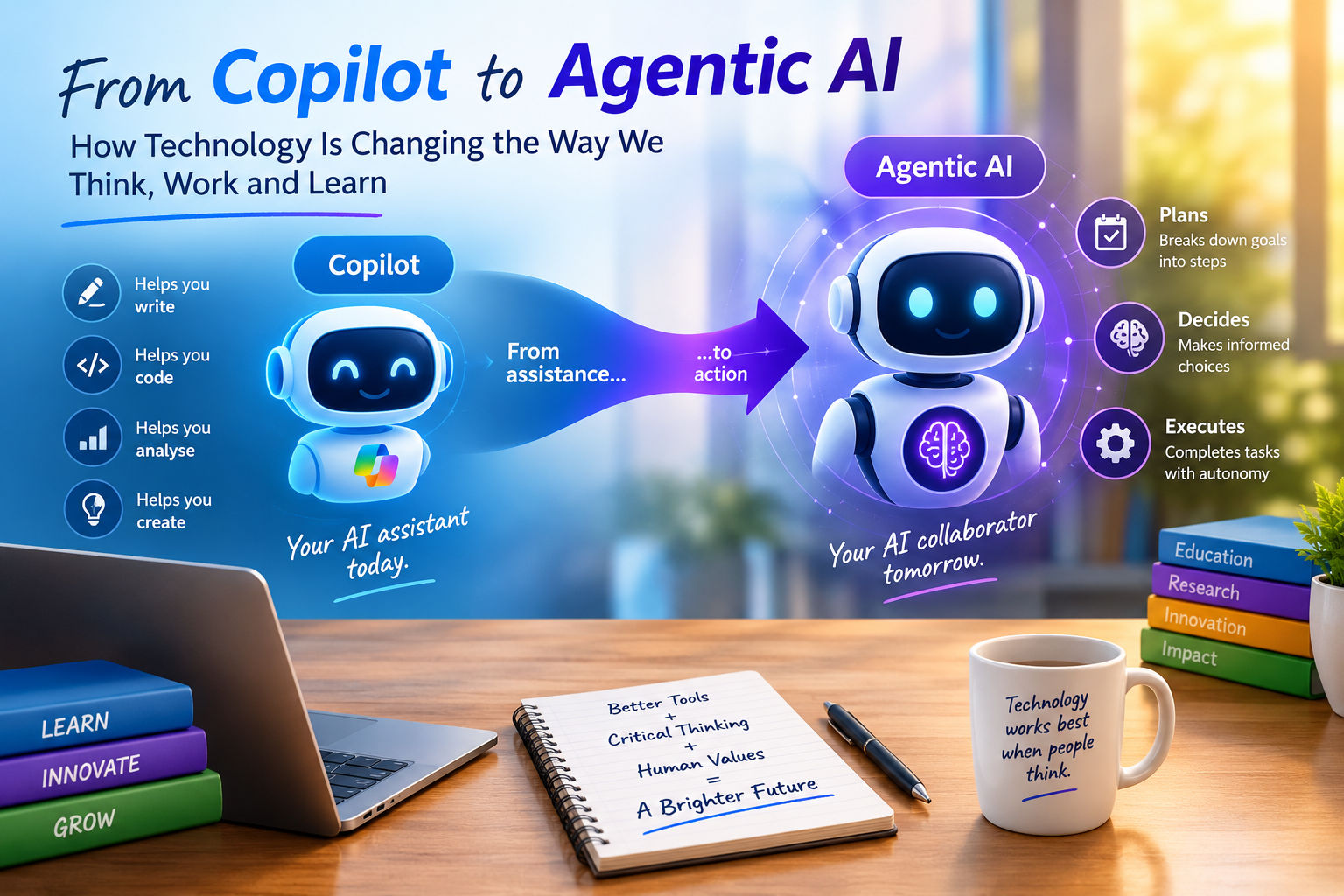
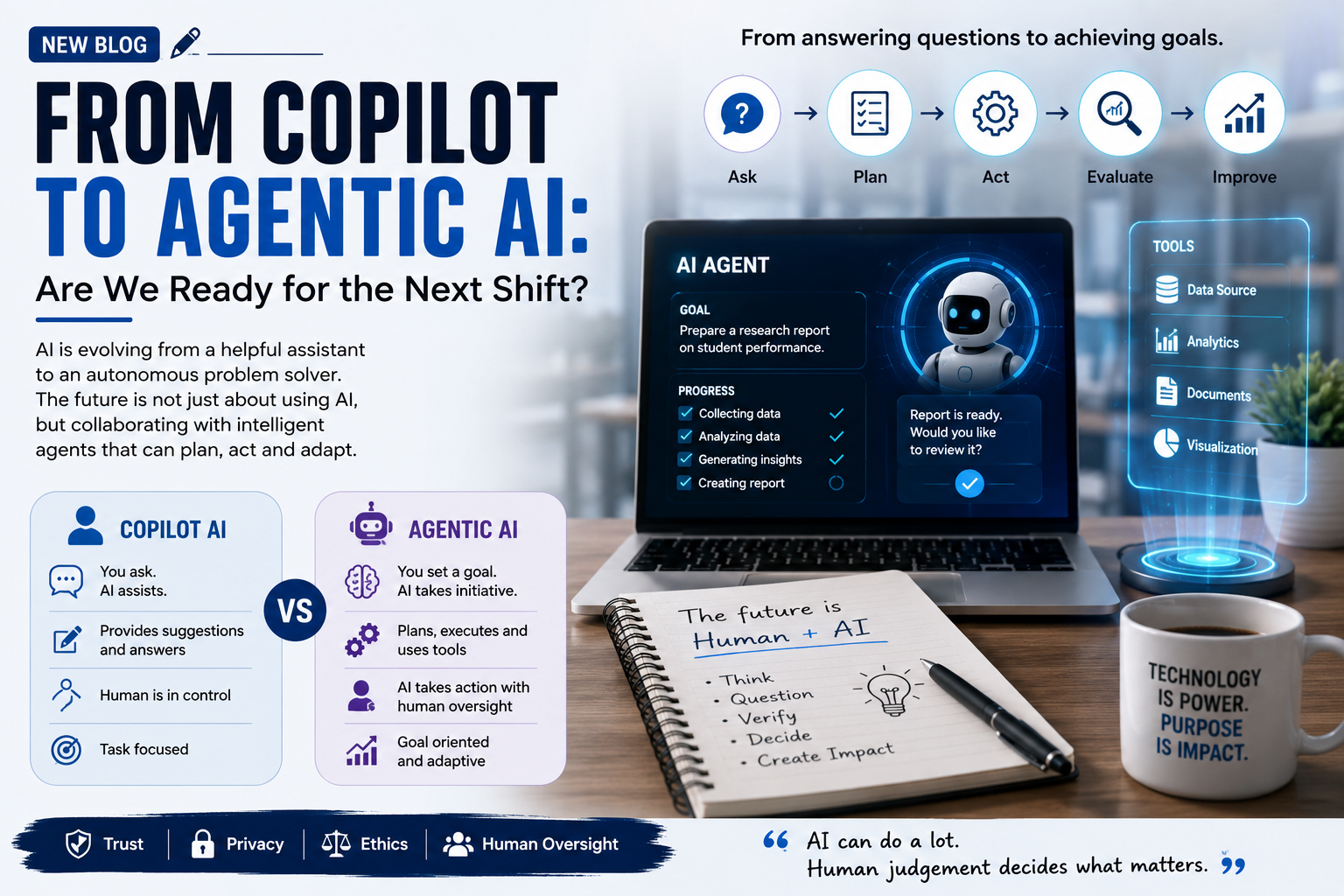
  • AI Will Not Replace Computer Education—It Will Redefine How We Teach It

    AI Will Not Replace Computer Education—It Will Redefine How We Teach It

    Artificial Intelligence has sparked an important discussion across the education sector. Many believe AI will completely transform—or even replace—computer education. My perspective is different.

    AI will not replace computer education. It will simply become the next chapter in its evolution.

    The field of Information Technology has always been driven by continuous change. Every generation of technology professionals has adapted to new tools, programming languages, frameworks, and methodologies.

    Think about the journey:

    • We moved from static HTML websites to dynamic, full-stack web development.
    • We evolved from basic CSS to responsive design frameworks and modern UI technologies.
    • Data analysis progressed from spreadsheets like Microsoft Excel to Python, Power BI, and AI-powered analytics.
    • Software development shifted from traditional desktop applications to cloud computing, mobile applications, DevOps, and now AI-assisted development.

    None of these advancements eliminated computer education. Instead, they expanded what students needed to learn.

    Today, AI is simply the next technological milestone.

    The Real Change Is Not What We Teach—It’s How We Teach

    The greatest transformation should happen inside our classrooms.

    For years, computer education has often emphasized theory, definitions, and examinations. While theoretical knowledge remains important, today’s technology industry expects graduates who can solve real-world problems, build applications, analyze data, collaborate effectively, and continuously learn new technologies.

    As educators, we need to shift our focus toward:

    • Project-based learning
    • Industry-oriented assignments
    • Hands-on programming experience
    • AI-assisted software development
    • Problem-solving and critical thinking
    • Continuous learning and adaptability

    Students should graduate not only with knowledge but with the confidence to apply that knowledge in professional environments.

    AI Is a Tool, Not a Replacement

    Just as calculators did not replace mathematics, AI will not replace computer science education.

    Instead, AI can help students:

    • Learn concepts faster
    • Debug code more efficiently
    • Explore multiple programming approaches
    • Build innovative applications
    • Improve productivity

    However, AI cannot replace the understanding of algorithms, logical thinking, system design, software engineering principles, or creativity. These remain the foundation of every successful technology professional.

    Preparing Students for Tomorrow

    The role of educators is no longer limited to delivering content. Our responsibility is to prepare students for an industry that evolves every day.

    This means encouraging curiosity, experimentation, lifelong learning, and adaptability. Technologies will continue to change, but the ability to learn, innovate, and solve problems will always remain valuable.

    Final Thoughts

    Technology has never stood still, and neither should education.

    AI is not the end of computer education—it is another milestone in its journey. The future belongs to educators who embrace innovation and to students who are willing to learn beyond textbooks.

    If we adapt our teaching methods to become more practical, industry-focused, and innovation-driven, AI will strengthen computer education rather than diminish it.

    The future of IT education is not about competing with AI—it’s about teaching students how to work intelligently alongside it.

    What are your thoughts? Do you believe AI will replace computer education, or will it simply reshape how we teach and learn? I’d love to hear your perspective.

  • Leadership isn’t measured by how much authority you have—it’s measured by how many people grow because of you.

    Leadership isn’t measured by how much authority you have—it’s measured by how many people grow because of you.

    In today’s fast-changing world, leadership is no longer about titles, hierarchy, or control. It’s about creating an environment where people feel valued, trusted, and inspired to do their best work.

    A true leader:

    ✔️ Serves before expecting to be served.
    ✔️ Empowers people instead of limiting their potential.
    ✔️ Listens to understand, not just to respond.
    ✔️ Leads through actions, not just words.
    ✔️ Creates an impact that extends beyond individual success.

    I’ve come to believe that the most respected leaders are not those who seek recognition—they are the ones who quietly invest in others, celebrate team achievements, and help people become better than they were yesterday.

    Whether we are educators, managers, entrepreneurs, or team members, we all have opportunities to lead through kindness, integrity, and service.

    At the end of the day, people may forget what we said, but they will always remember how we made them feel and the confidence we helped them discover.

    Leadership is not about being in charge. It’s about taking care of those in your charge.

    Let’s choose to build teams that are empowered, workplaces built on trust, and a future where leadership is defined by service rather than authority.

    How do you define true leadership? I’d love to hear your thoughts in the comments.

    #Leadership #ServantLeadership #LeadershipDevelopment #LeadByExample #Empowerment #ProfessionalGrowth #Teamwork #PeopleFirst #WorkplaceCulture #Mentorship #LeadershipMindset #Success #Growth #Inspiration

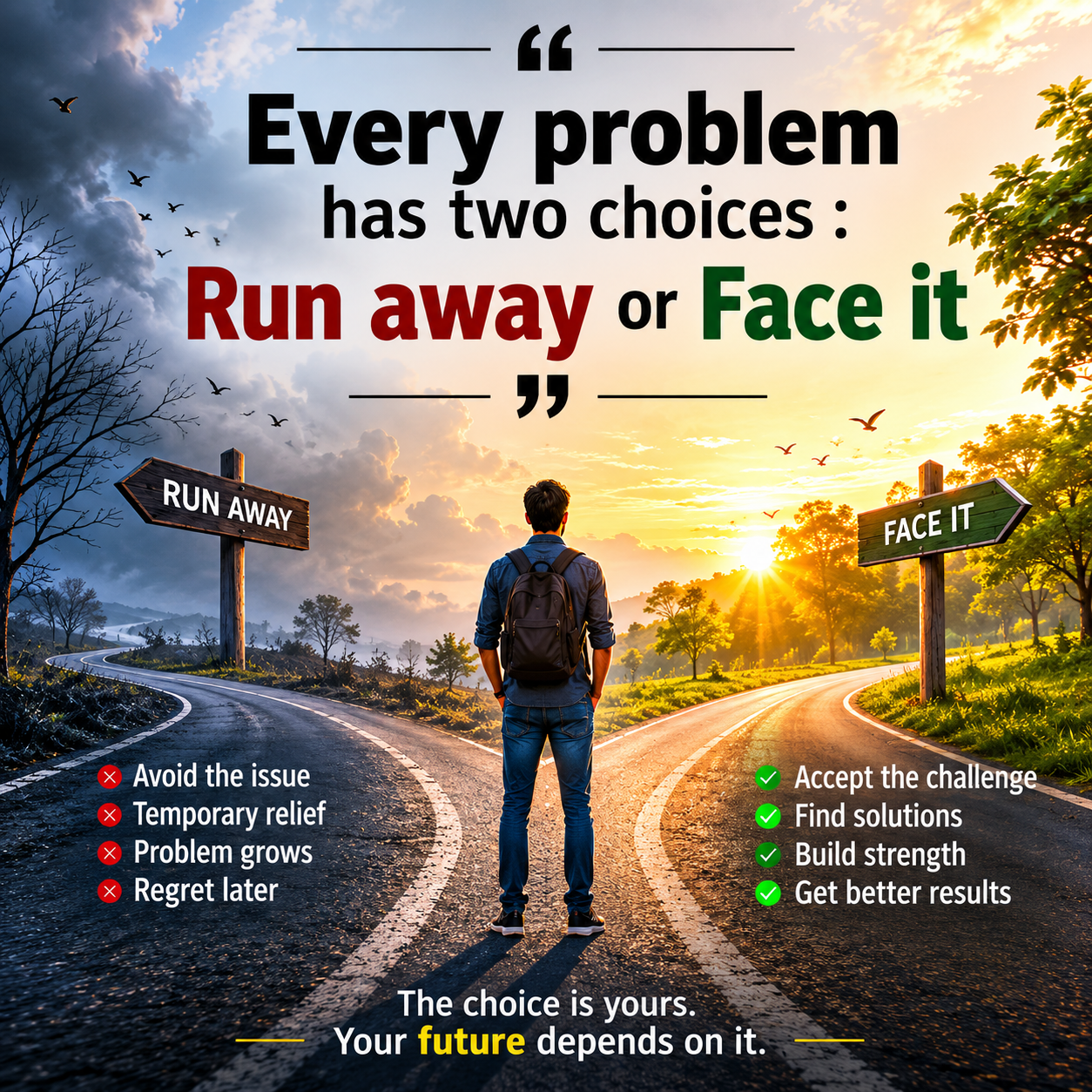
  • Take Risks Outside Your Comfort Zone: Where Growth, Innovation, and Success Begin

    Take Risks Outside Your Comfort Zone: Where Growth, Innovation, and Success Begin

    We all have a comfort zone.

    It is the place where our routines feel familiar, our decisions seem predictable, and our confidence comes from knowing what to expect. There is nothing inherently wrong with being comfortable. In fact, comfort can provide stability and peace of mind.

    But comfort has one limitation—it rarely challenges us to become more than we already are.

    Every significant achievement, every meaningful career transition, every entrepreneurial venture, and every life-changing opportunity begins with a decision to step into the unknown. The path may not always be easy, but it is almost always worth taking.

    The greatest opportunities in life are rarely found where we feel safest. They are discovered when we choose growth over certainty and courage over fear.

    Why We Resist Taking Risks

    Most people are not afraid of hard work. They are afraid of uncertainty.

    Questions such as:

    • What if I fail?
    • What will others think?
    • Am I good enough?
    • What if I lose everything I’ve worked for?

    These thoughts are completely natural. Our minds are designed to protect us from uncertainty. However, while fear protects us from danger, it can also prevent us from recognizing opportunity.

    The reality is simple:

    Every successful professional, entrepreneur, researcher, athlete, and leader has experienced fear before taking their biggest leap.

    The difference is not the absence of fear.

    The difference is choosing to move forward despite it.

    Growth Begins at the Edge of Comfort

    Imagine learning to swim without entering the water.

    Imagine becoming a public speaker without ever standing on a stage.

    Imagine building a successful business without speaking to your first customer.

    It is impossible.

    Growth requires discomfort.

    Whether it is learning a new programming language, pursuing higher education, accepting a leadership role, changing careers, or launching a startup, progress always begins with doing something unfamiliar.

    The comfort zone offers security.

    The growth zone offers possibility.

    Calculated Risks Are Better Than Comfortable Regrets

    Taking risks does not mean acting recklessly.

    Successful people rarely gamble with their future.

    Instead, they take calculated risks.

    A calculated risk means:

    • Learning before acting.
    • Planning before executing.
    • Understanding potential outcomes.
    • Preparing for challenges.
    • Accepting that failure is part of learning.

    This mindset transforms fear into preparation.

    Instead of asking,

    “What if I fail?”

    Ask,

    “What will I learn if things don’t go as planned?”

    That single shift in perspective changes everything.

    Every Failure Builds Future Success

    One of the biggest misconceptions about successful people is that they rarely fail.

    In reality, successful individuals often fail more than others because they attempt more.

    Failure is not the opposite of success.

    Failure is one of its most valuable teachers.

    Every setback provides:

    • Better decision-making
    • Greater resilience
    • Improved problem-solving
    • Increased emotional intelligence
    • Stronger confidence

    Experience cannot be downloaded.

    It must be lived.

    Innovation Lives Outside the Comfort Zone

    The world we live in today is changing faster than ever.

    Artificial Intelligence, automation, cloud computing, data science, cybersecurity, and digital transformation continue to reshape industries.

    Professionals who embrace change remain relevant.

    Those who resist change eventually struggle to keep pace.

    Learning new technologies may feel uncomfortable.

    Adapting to new workplace expectations may seem challenging.

    Upskilling after years of experience may appear intimidating.

    Yet every one of these challenges creates new opportunities for those willing to learn.

    Innovation begins where routine ends.

    Small Risks Create Big Transformations

    Many people believe success requires one giant leap.

    More often, it comes from hundreds of small courageous decisions.

    It could be:

    • Speaking up during a meeting.
    • Applying for a role that feels beyond your experience.
    • Starting a personal blog.
    • Publishing research.
    • Learning Artificial Intelligence.
    • Networking with industry professionals.
    • Starting an online course.
    • Building your first application.
    • Sharing your knowledge publicly.

    Each small step expands your confidence

    Each success encourages the next.

    Eventually, what once seemed impossible becomes part of your everyday capability.

    The Comfort Zone Is Temporary

    Technology evolves.

    Industries evolve.

    Skills evolve.

    Markets evolve.

    The comfort zone that feels safe today may become a limitation tomorrow.

    Continuous learning is no longer optional.

    Professionals who remain curious, adaptable, and willing to embrace change are the ones who lead the future.

    The most successful careers are built not by avoiding uncertainty, but by developing the confidence to navigate it.

    Lessons from Nature

    Consider how an eagle teaches its young to fly.

    The young bird cannot remain safely in the nest forever.

    At the right moment, it is encouraged to leave the security of its surroundings.

    The first flight is uncertain.

    The wings may hesitate.

    But only after leaving the nest does the bird discover its true ability.

    Our careers and personal lives follow the same principle.

    Potential remains hidden until we challenge ourselves.

    Practical Ways to Step Beyond Your Comfort Zone

    You don’t need to make dramatic life changes overnight.

    Start with manageable challenges.

    • Learn one new skill every quarter.
    • Read books outside your usual interests.
    • Attend professional conferences and workshops.
    • Volunteer to lead projects.
    • Mentor someone.
    • Build a side project.
    • Publish articles or blogs.
    • Ask thoughtful questions during meetings.
    • Seek constructive feedback.
    • View mistakes as opportunities to improve.

    Small consistent actions create remarkable long-term results.

    A Personal Reflection

    Throughout every professional journey, there are moments when staying comfortable seems easier than moving forward.

    Whether it is pursuing higher education, embracing emerging technologies, writing research papers, starting a blog, or accepting new responsibilities, each milestone begins with uncertainty.

    Looking back, the moments that felt the most challenging often became the most rewarding.

    Every risk taken with preparation and purpose became another step toward growth.

    The journey continues because learning never truly ends.

    Final Thoughts

    Comfort gives us stability.

    Risk gives us growth.

    Neither is inherently right or wrong.

    The key is knowing when comfort becomes complacency.

    Success does not belong to those who never experience fear.

    It belongs to those who refuse to let fear make their decisions.

    Take thoughtful risks.

    Learn continuously.

    Embrace challenges.

    Believe in your ability to grow.

    Because the life you aspire to build is often waiting just beyond the boundaries of your comfort zone.

    Remember:

    “Your comfort zone is a place of familiarity, but your future is built where courage meets opportunity. The greatest achievements begin the moment you decide to take one step beyond what feels comfortable.”


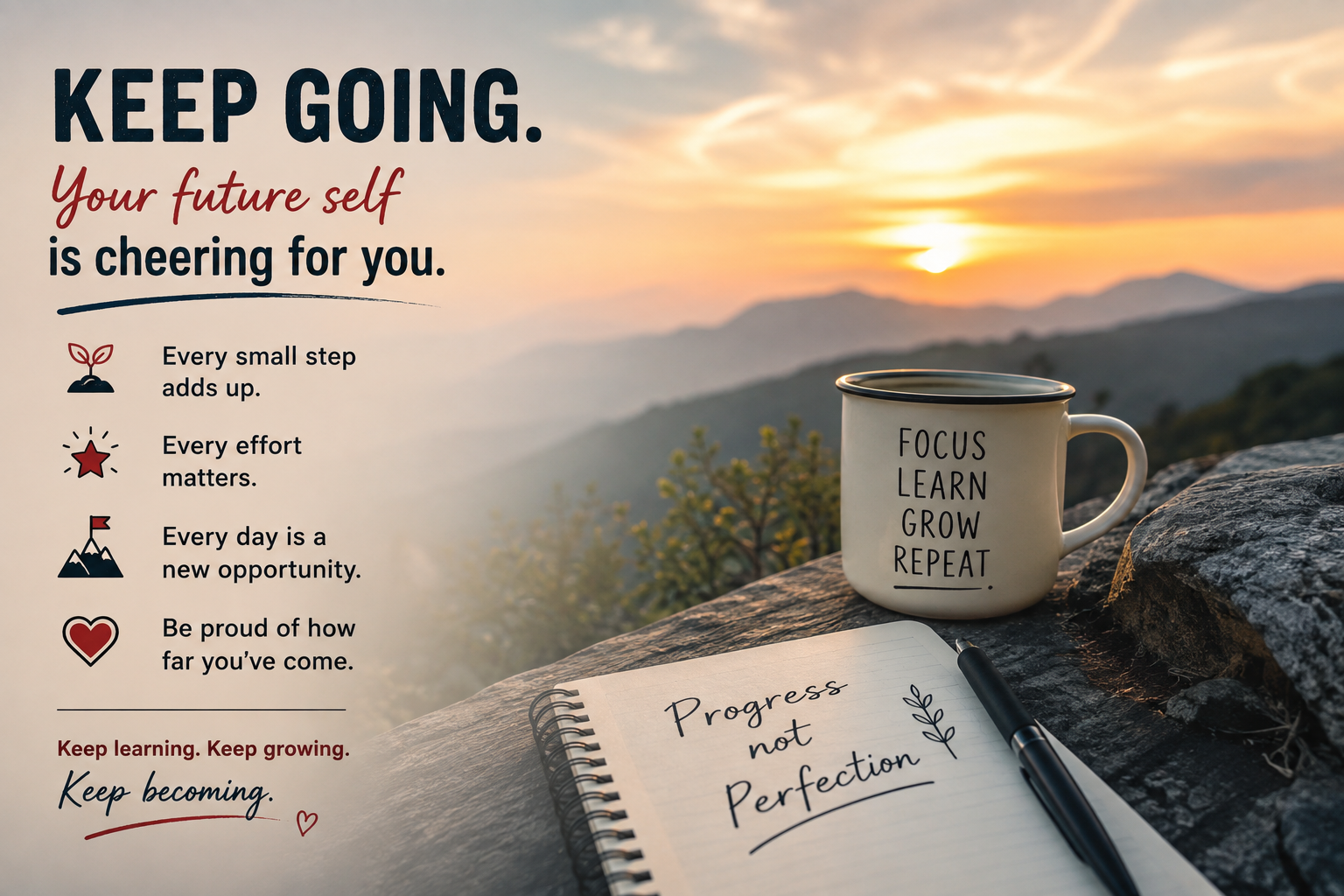
  • Take time to IMPROVE, but don’t waste time trying to PROVE.

    Take time to IMPROVE, but don’t waste time trying to PROVE.

    In today’s fast-paced and highly connected world, it’s easy to fall into the trap of seeking validation. We often feel the need to justify our decisions, defend our choices, or prove our capabilities to others.

    But true professional growth doesn’t come from convincing people—it comes from continuously improving yourself.

    Every hour spent chasing approval is an hour that could be invested in learning a new skill, deepening your expertise, solving meaningful problems, or creating something of lasting value.

    The most successful professionals understand that excellence is built through consistent effort, lifelong learning, and resilience—not through constant validation.

    People may doubt your potential, underestimate your abilities, or question your journey. That’s perfectly okay. Their opinions do not define your future.

    Instead of focusing on proving others wrong, focus on becoming better than you were yesterday.

    ✔ Learn continuously.
    ✔ Embrace constructive feedback.
    ✔ Build your skills with purpose.
    ✔ Stay patient and trust the process.
    ✔ Let your work speak for itself.

    Remember, real success is measured by the value you create, the lives you impact, and the person you become—not by the applause you receive.

    Progress over praise. Improvement over approval. Growth over validation.

    Your greatest competition isn’t someone else—it’s the person you were yesterday.

    Keep learning. Keep improving. Keep moving forward.

    #ProfessionalGrowth #Leadership #PersonalDevelopment #CareerGrowth #ContinuousLearning #GrowthMindset #SelfImprovement #Success #Motivation #LifelongLearning #LeadershipDevelopment #Mindset #Innovation #CareerSuccess

  • Walking Together, Growing Together: Lessons from Ashadhi Ekadashi and the Wari

    Walking Together, Growing Together: Lessons from Ashadhi Ekadashi and the Wari

    This year, I had the opportunity to be a part of the Ashadhi Wari and experience the devotion, discipline, and unity that define this incredible spiritual journey. Unfortunately, due to some unavoidable circumstances, I couldn’t make it.

    Even so, the spirit of the Wari continues to inspire me.

    Ashadhi Ekadashi is much more than a festival—it’s a powerful reminder that every meaningful journey is built on faith, perseverance, humility, and consistency.

    Every year, thousands of Warkaris walk together towards Pandharpur, united by a common purpose and unwavering devotion to Lord Vitthal. Their journey teaches us that success—whether in life, education, research, or our careers—is not about speed but about taking consistent steps with patience and determination.

    The values of the Wari resonate deeply with our professional lives:

    • Every small step brings us closer to our goals.
    • Discipline outlasts temporary motivation.
    • Teamwork and mutual support make every journey meaningful.
    • Humility and continuous learning are the true foundations of excellence.

    Although I missed the opportunity to join the Wari this year, I hope to experience this extraordinary journey in the future.

    On this Ashadhi Ekadashi, may Lord Vitthal bless us with the strength to stay committed to our purpose, the humility to keep learning, and the courage to keep moving forward—one step at a time.

    Vitthal Vitthal! 🙏

    #AshadhiEkadashi #Wari #Vitthal #Leadership #ProfessionalGrowth #LifelongLearning #Resilience #Discipline #Teamwork #Motivation #LinkedIn


RSS
Follow by Email
LinkedIn
Share
Instagram
WhatsApp
FbMessenger